
Mea kanu ʻeleʻele kalapona
Ka mina, ʻoihana kemika, mea kukulu hale, mea kanu fertilizer, etc.
1-30 t/h
7.5-22 kw
3-10 mm
ʻeleʻele kalapona, he pauda ʻeleʻele a i ʻole ʻāpana i haku ʻia me nā ʻātoma kalapona. Ma muli o kona mau waiwai kino a me kemika, He kuleana koʻikoʻi ia ma nā ʻāpana ʻoihana lehulehu. Maikaʻi, hoʻohana nui ʻia i ka lāʻau, ilikai, nā inika, nā uhi, ʻāpana uila, ʻili kemika, nā pila maloʻo a me nā ʻoihana ʻē aʻe he nui. ʻO ka ʻeleʻele kalapona kekahi ʻano o nā ʻāpana kalapona maikaʻi, i hana ʻia e ka puhi ʻana a i ʻole ka pyrolyzing i nā mea kalapona i ka nele o ka oxygen. ʻOiaʻiʻo, Loaʻa iā ia nā ʻano o ka conductivity maikaʻi, pigmentation a hoʻoikaika i nā waiwai. He aha hou aku, ʻAʻole hiki i ke kalapona ʻeleʻele ke hoʻomaikaʻi wale i ka ikaika mechanical a me ke ola lawelawe o nā huahana, akā hāʻawi pū i ka waihoʻoluʻu maikaʻi a me ka nani.

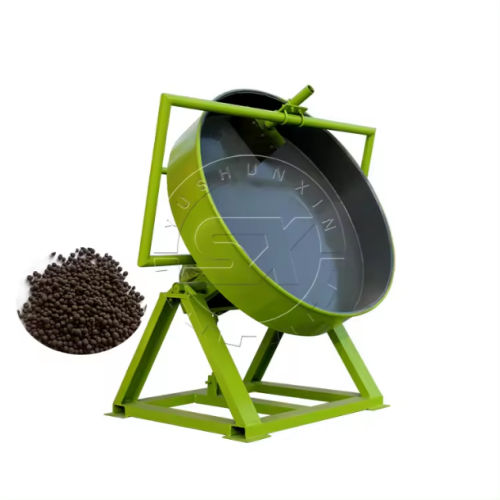
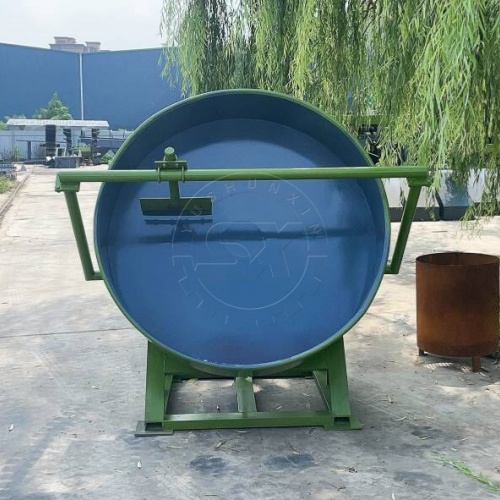
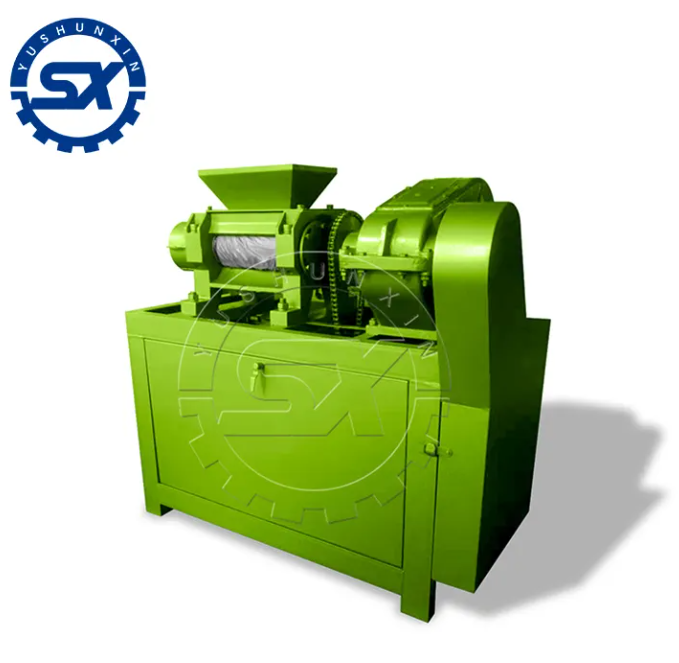
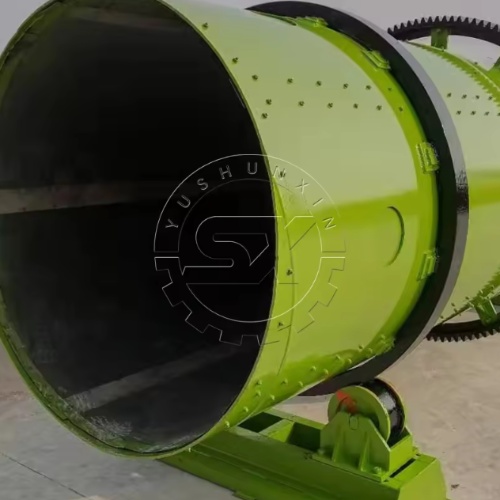
3 types of Shunxin carbon black pelletizing machine
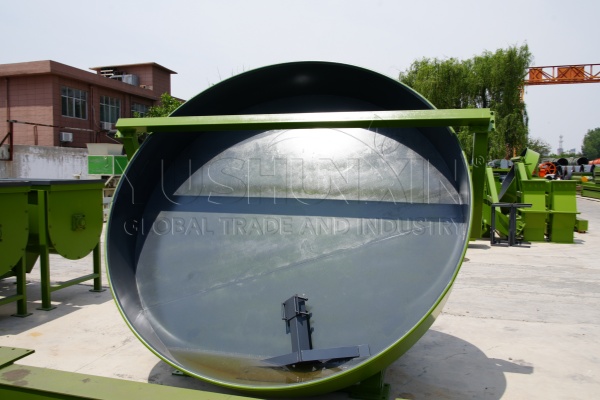
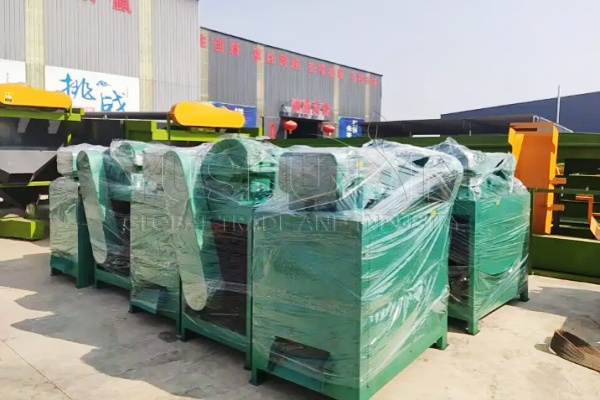
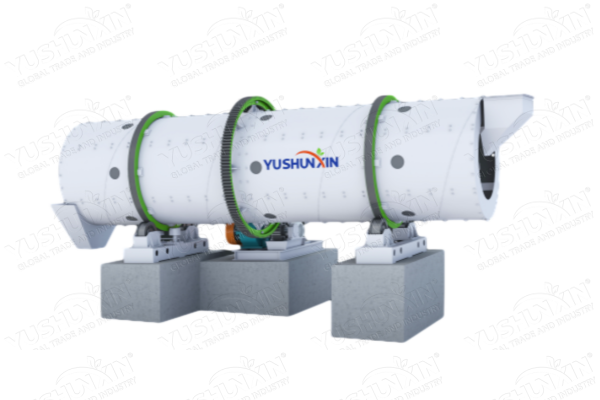
There are various types of carbon black granulators, and clearly different types of granulators are suitable for different granulation methods and production scales. Eia, Shunxin has the following 3 types of granulators for you to choose for your carbon black pelletizing plant.
What is carbon black granulation production line
The carbon black granulation production line is a set of equipment that converts carbon black powders into pellets. Generally speaking, the complete production process mainly includes raw material preparation, crushing, mixing, pelletizing, drying and cooling. Among which, the most important process is pelletizing process. These processes not only require precise control of various parameters to ensure product quality, but also take into account economic factors such as production efficiency and energy consumption.
In the production of carbon black, the granulation is the key process in the entire granulation production line. In brief, the application of carbon black granulation technology not only solves environmental and health and safety issues, but also improves material utilization and reduces transportation costs. For these reasons, a complete equipment of the carbon black granulation line is very important.
2 carbon black granulation production methods
ʻeleʻele kalapona, as a widely used synthetic material, it has important industrial value and diverse uses. In the production process of carbon black, the two main granulation methods are dry method and wet method. ʻOi aku, the dry granulation method is known for its high efficiency and low cost, while the wet granulation method has been favored because of its more flexible and environmentally friendly characteristics. Following are the detailed introduction of 2 granulation methods:
Carbon black dry granulation method
Granulation principle
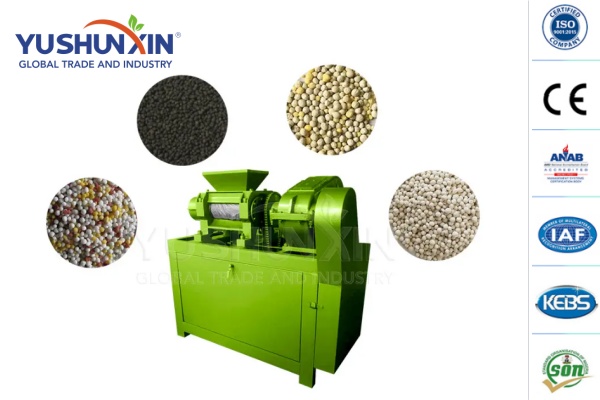
Carbon black dry granulation method is a commonly used method. It is the process of converting carbon black powders into granules under dry conditions. Generally, this process does not need to add water or other binders, thus calling it as dry granulation method.
Granulation characteristics
- High efficiency: The carbon black dry granulation method can quickly turn the powder materials into pellets. Because the reaction time is very short, then has the advantages of simple operation and high production efficiency. No laila, it is more suitable for large scale production.
- Low cost: By using this type of granulatuion method, there is no need for additives and other adhesives. No laila, the production cost is relatively low, so it is suitable for plants with low cost budgets.
- High purity: Since there is no need to add water or other solvents, the carbon black finished pellets always have high purity and stable quality.
Application fields
Carbon black dry granulation method is widely used in rubber products, plastic products, printing inks and other fields. Due to its high pellets purity and controllability, making the carbon black have good application prospects in these fields.
Carbon black wet granulation method
Granulation principle
Carbon black wet granulation method is through adding appropriate amount of water or other liquid binder to turn the carbon black powders to form ball-shaped particles. Different from dry granulation methods, the finished pellets after wet pelletizing have a high water content, so it will need a dryer to dry out the moisture, a laila e hoʻohana i ka mea hoʻomaʻalili e hoʻomāalili i ka mahana. ʻO ka hope loa, hiki iā ʻoe ke loaʻa nā granules kalapona ʻeleʻele like ʻole.
Granulation characteristics
- Hiki ke hoʻopaʻa ʻia ka nui o nā ʻāpana: Ke hoʻohana nei i ke ʻano granulation pulu, hiki ke hoʻomalu i ka nui a me ke ʻano o nā ʻāpana i hoʻopau ʻia, a hiki iā ʻoe ke kiʻi maʻalahi i ke ʻano maʻamau a me ka nui o nā ʻāpana like ʻole.
- Hiki ke hoʻololi ākea: Hiki ke hoʻololi i ke ʻano a me ke ʻano o ka mea binder e hoʻololi i nā ʻano like ʻole o ke kalapona ʻeleʻele a me nā koi noi..
- Pili kaiaola: Ma o ka wai granulation lapaʻau, hiki ke hoemiia ka lele ana o ka lepo eleele kalapona. E noʻonoʻo ana mai ke kuanaʻike o ka mālama kaiapuni holoʻokoʻa, hiki i ke ʻano pulu ke hoʻomalu a hoʻolei i ka wai ʻōpala a me ke kinoea hoʻopau i ka wā e hana ai.
Application fields
Hoʻohana nui ʻia ke ʻano granulation wet o carbon black i ka uhi ʻana, inika, ʻoihana hoʻonaninani a me nā ʻoihana ʻē aʻe. The adjustable pellets of wet carbon black enables it to realize more application potential in these industries.
What is the process of carbon black production line?
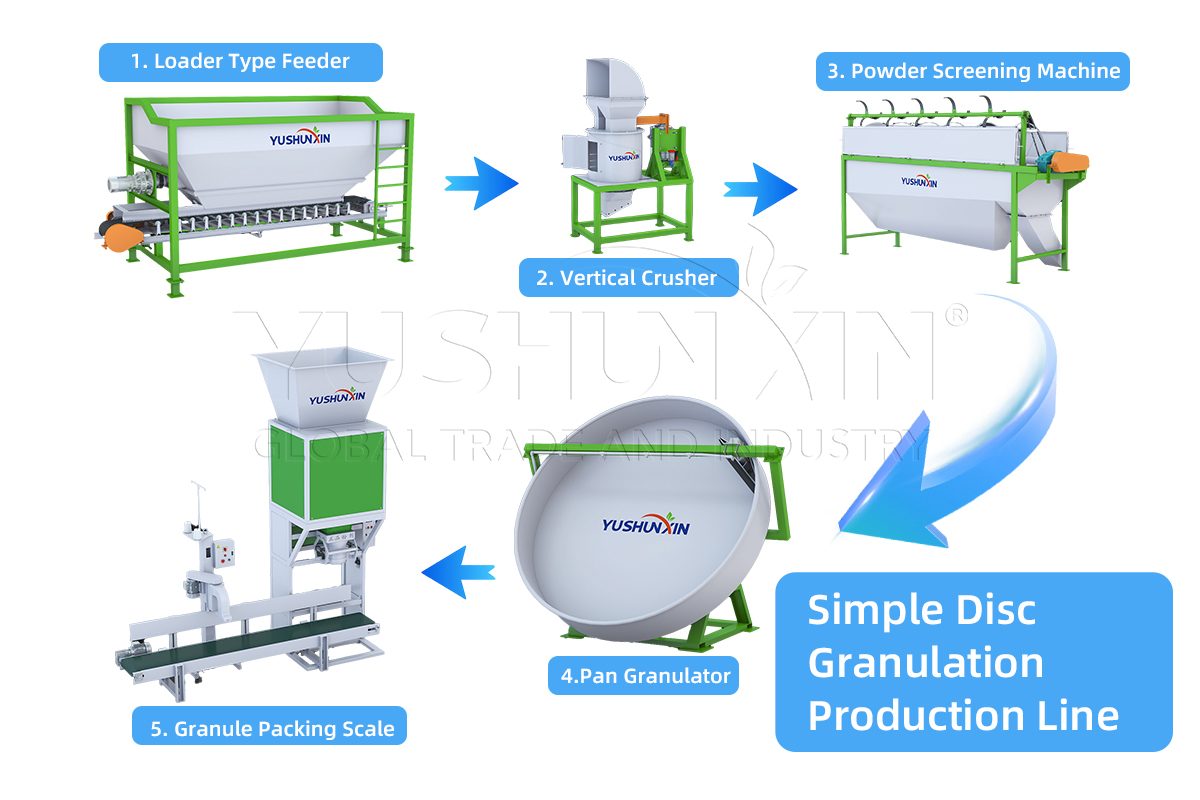
I ka hopena, Shunxin have many powder granulator machines for you to choose, used to improve the processing efficiency and improve product quality. If you want to make the right choice and application of pelletizing machine, a laila pono ʻoe e noʻonoʻo i nā ʻano mea, pono hana, nā koi ʻāpana a me nā kumu ʻē aʻe he nui. No laila, e hoʻonohonoho ʻoe i kahi laina hana hoʻomoʻa ʻana i ka pauka fertilizer powder granulation.


