
Usine de granulation de noir de carbone
Exploitation minière, industrie chimique, matériaux de construction, usines d'engrais, etc..
1-30 ème
7.5-22 kW
3-10 mm
Noir de carbone, est une poudre ou particule noire principalement composée d'atomes de carbone. En raison de ses propriétés physiques et chimiques uniques, il joue un rôle important dans plusieurs secteurs industriels. Spécifiquement, il est largement utilisé dans le caoutchouc, plastiques, encres, revêtements, composants électroniques, produits chimiques pour le cuir, piles sèches et de nombreuses autres industries. Le noir de carbone est un type de fines particules de carbone, qui est fabriqué en brûlant ou en pyrolysant des matériaux carbonés en l'absence d'oxygène. En fait, il a les caractéristiques d'une bonne conductivité, propriétés pigmentaires et renforçantes. De plus, le noir de carbone peut non seulement améliorer la résistance mécanique et la durée de vie des produits, mais offre également une meilleure couleur et une meilleure brillance.

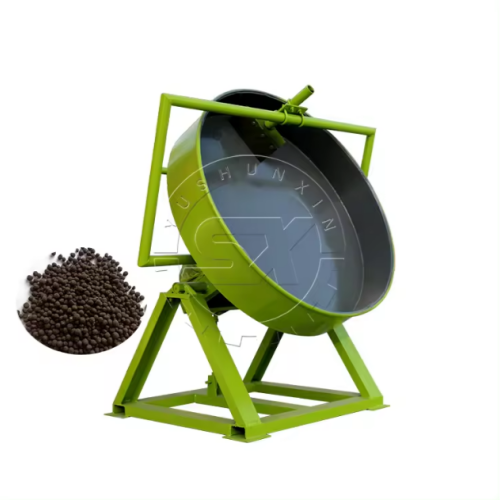
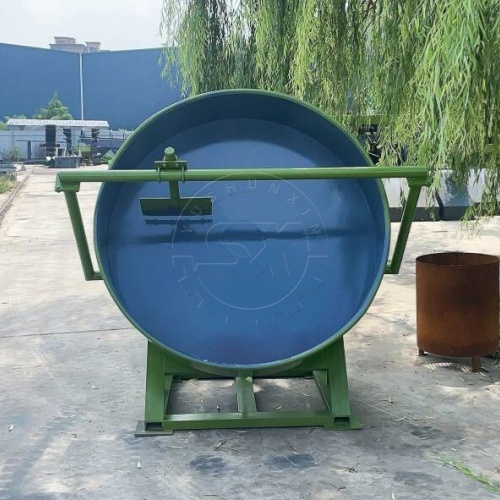
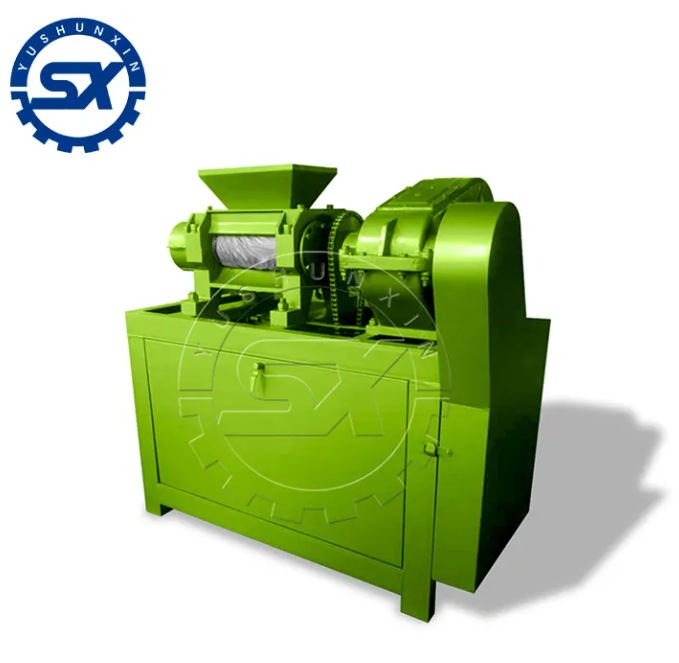
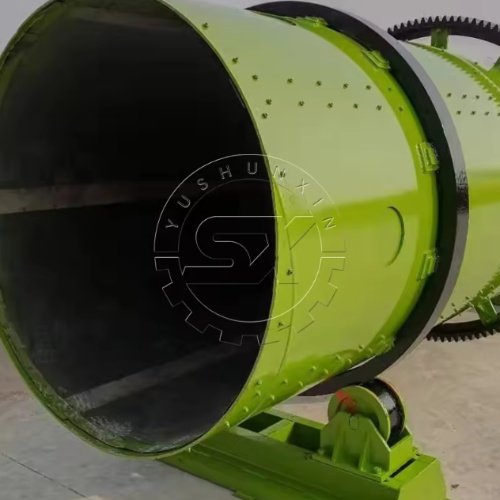
3 types of Shunxin carbon black pelletizing machine
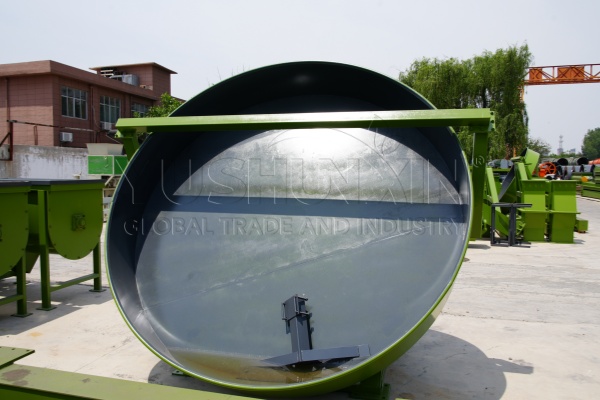
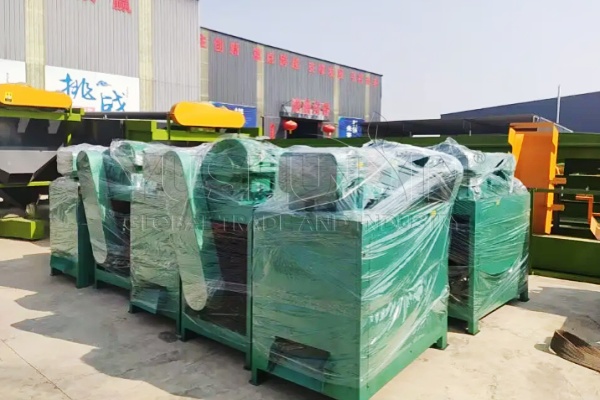
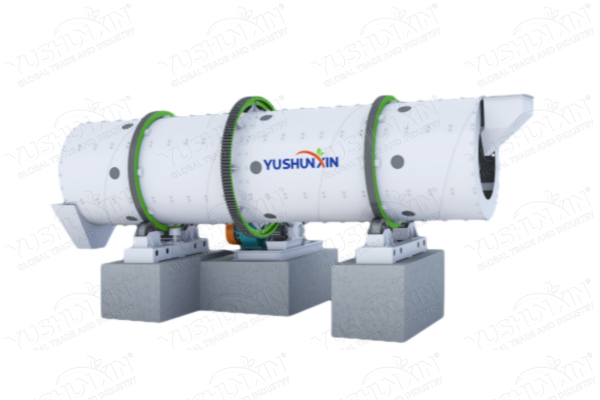
There are various types of carbon black granulators, and clearly different types of granulators are suitable for different granulation methods and production scales. Here, Shunxin has the following 3 types of granulators for you to choose for your carbon black pelletizing plant.
What is carbon black granulation production line
The carbon black granulation production line is a set of equipment that converts carbon black powders into pellets. En général, the complete production process mainly includes raw material preparation, crushing, mixing, pelletizing, drying and cooling. Among which, the most important process is pelletizing process. These processes not only require precise control of various parameters to ensure product quality, but also take into account economic factors such as production efficiency and energy consumption.
In the production of carbon black, the granulation is the key process in the entire granulation production line. Bref, the application of carbon black granulation technology not only solves environmental and health and safety issues, but also improves material utilization and reduces transportation costs. For these reasons, a complete equipment of the carbon black granulation line is very important.
2 carbon black granulation production methods
Noir de carbone, as a widely used synthetic material, it has important industrial value and diverse uses. In the production process of carbon black, the two main granulation methods are dry method and wet method. Particulièrement, the dry granulation method is known for its high efficiency and low cost, while the wet granulation method has been favored because of its more flexible and environmentally friendly characteristics. Following are the detailed introduction of 2 granulation methods:
Carbon black dry granulation method
Granulation principle
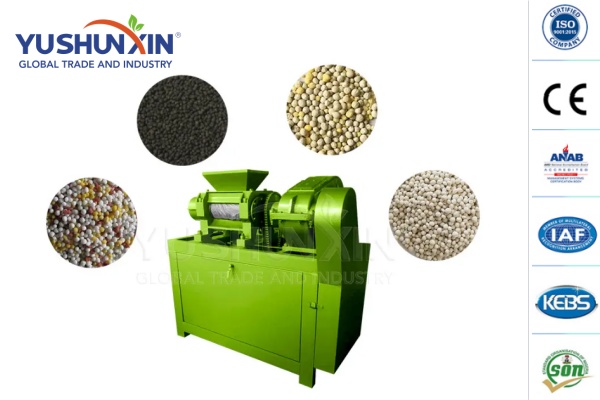
Carbon black dry granulation method is a commonly used method. It is the process of converting carbon black powders into granules under dry conditions. Generally, this process does not need to add water or other binders, thus calling it as dry granulation method.
Granulation characteristics
- High efficiency: The carbon black dry granulation method can quickly turn the powder materials into pellets. Because the reaction time is very short, then has the advantages of simple operation and high production efficiency. Donc, it is more suitable for large scale production.
- Low cost: By using this type of granulatuion method, there is no need for additives and other adhesives. Donc, the production cost is relatively low, so it is suitable for plants with low cost budgets.
- High purity: Since there is no need to add water or other solvents, the carbon black finished pellets always have high purity and stable quality.
Application fields
Carbon black dry granulation method is widely used in rubber products, plastic products, printing inks and other fields. Due to its high pellets purity and controllability, making the carbon black have good application prospects in these fields.
Carbon black wet granulation method
Granulation principle
Carbon black wet granulation method is through adding appropriate amount of water or other liquid binder to turn the carbon black powders to form ball-shaped particles. Different from dry granulation methods, the finished pellets after wet pelletizing have a high water content, so it will need a dryer to dry out the moisture, and then use a cooler to cool down the temperature. Enfin, you can get uniform carbon black granules.
Granulation characteristics
- Controllable particle size: Using the wet granulation method, the size and shape of finished particles can be controlled, and you can easily get regular shape and uniform particle size.
- Wide adaptability: Wet pelletizing method can adjust the type and dosage of binder to adapt to different properties of carbon black and different application requirements.
- Eco-friendly: Through the wet granulation treatment, the flying of carbon black dust can be reduced. Considering from the perspective of overall environmental protection, the wet method can better control and dispose the waste water and exhaust gas when processing.
Application fields
Wet granulation method of carbon black is widely used in coating, ink, cosmetic and other industries. The adjustable pellets of wet carbon black enables it to realize more application potential in these industries.
What is the process of carbon black production line?
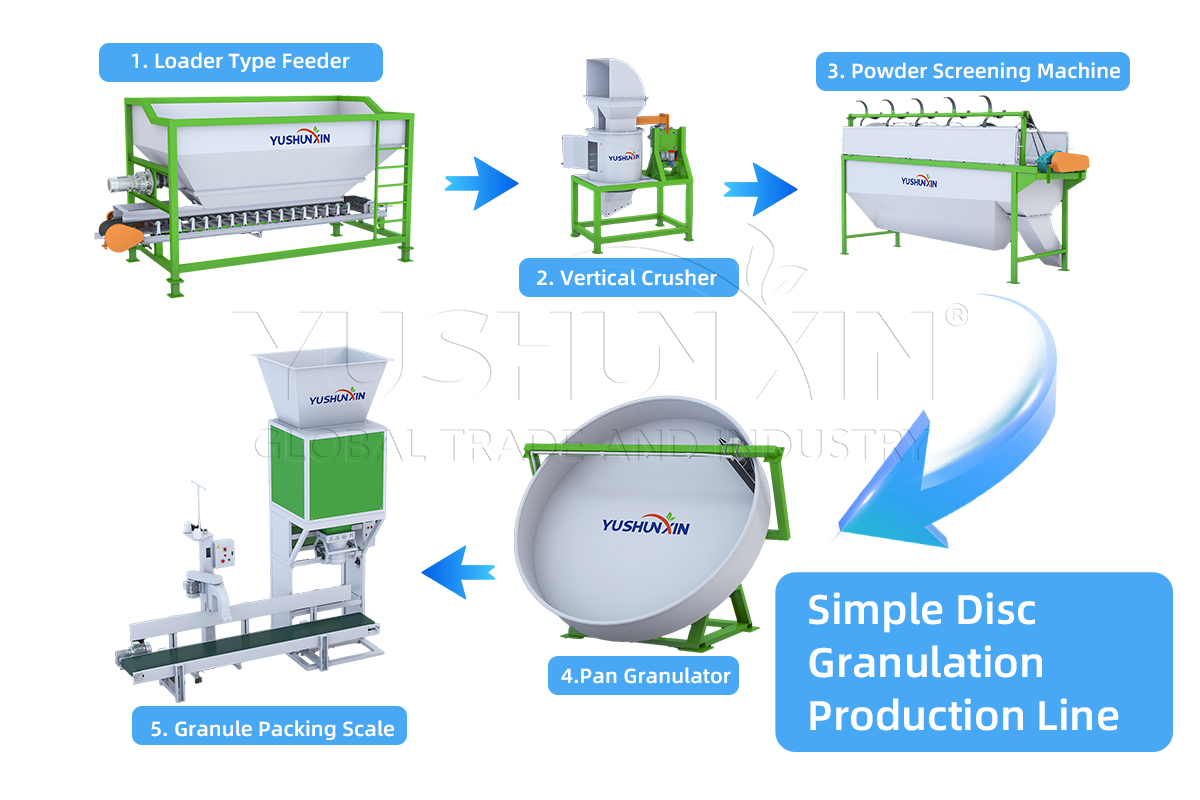
En conclusion, Shunxin propose de nombreuses machines de granulation de poudre à choisir, utilisé pour améliorer l'efficacité du traitement et améliorer la qualité du produit. Si vous voulez faire le bon choix et l'application de la machine de granulation, alors il faut que vous considériez les caractéristiques du matériau, efficacité du travail, besoins en particules et de nombreux autres facteurs. Par conséquent, vous mettrez en place une ligne de production automatique de granulation de poudre d'engrais satisfaisante.


